Building a home gym sounds expensive. Most people picture a dedicated garage filled with thousands of dollars of equipment, and they immediately write off the idea before they've even started. But the truth is, a highly effective home gym can be built at almost any price point — you just need to know what to prioritize.
In this guide, we'll walk you through how to plan and build your home gym based on your available space, your training goals, and — most importantly — your budget. Whether you have $150 or $1,500 to start, there's a setup that works for you.
Step 1: Define Your Space
Before you buy a single piece of equipment, assess the space you have available. You don't need a garage. A spare bedroom corner, a cleared-out living room section, or even a small area of your office can work. Here's a rough guide:
- Under 50 sq ft: Focus on compact, foldable, and multi-use equipment. Think adjustable dumbbells, a kettlebell, resistance bands, and an under-desk bike.
- 50–100 sq ft: You can add a weight bench or a compact treadmill. Enough room for full bodyweight movement patterns.
- 100+ sq ft: You have options. A power rack, a full dumbbell set, a bench, and a cardio machine can all fit comfortably.
Step 2: Identify Your Primary Goal
Your training goal should drive your equipment purchases. Trying to build muscle? Prioritize resistance tools. Focused on losing weight or improving cardiovascular health? Invest in cardio equipment first. Here's how to think about it:
- Strength & Muscle Building: Adjustable dumbbells or kettlebell → bench → rack → barbell.
- Cardio & Conditioning: Walking pad or mini bike → full treadmill → rowing machine.
- Overall Fitness: A combination of both — start with a versatile dumbbell set and a compact cardio option.
Step 3: Build in Tiers by Budget
Tier 1 — Under $300: Foundations
At this level, focus entirely on versatility. An adjustable kettlebell like the Kinetik 40 ($184) gives you six weight settings in one compact tool for swings, presses, squats, and carries. Add a resistance band set and a quality exercise mat and you have a surprisingly complete home workout setup that covers strength, mobility, and conditioning.
Tier 2 — $300–$700: Foundation + Cardio or Strength Expansion
In this range, you can pair your foundation tools with a dedicated cardio option. The StrideFold 2-in-1 ($102) is compact enough to store flat under a bed and adds daily walking cardio without taking up permanent space. For strength, the Xtreme Dumbbell Set ($453) replaces an entire rack of dumbbells and handles a full range of movements from warm-up to heavy compound lifts.
Tier 3 — $700+: Full Home Gym Build
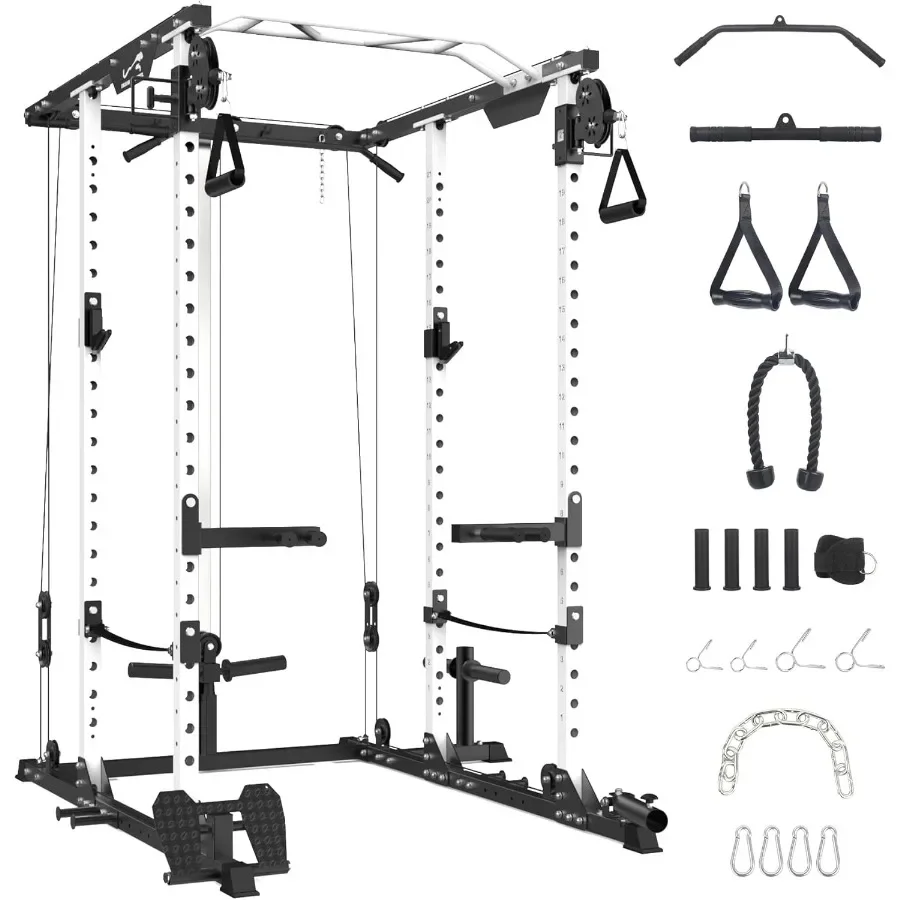
At this level, you're building a complete training system. The Apex Rack ($530) serves as the backbone — a full power cage rated for 1,000 lbs. Pair it with the Xtreme Dumbbell Set and a cardio piece like the Titan 1500 treadmill ($567), and you have a setup that rivals most commercial gym floors.
Step 4: Think Long-Term, Start Small
One of the most common mistakes in home gym building is buying too much, too fast. Start with one or two quality pieces and train consistently with them before expanding. Equipment you use every day is worth ten times more than equipment that becomes a clothes rack.
The best home gym is the one you actually train in. Invest in pieces that fit your life right now — the square footage you have, the goals you're working toward, and the budget you're comfortable with. You can always add more as your needs grow.
Bottom Line
You don't need a perfect setup to start. You need a starting point. Pick one piece of equipment that aligns with your primary goal, clear a space for it, and commit to using it consistently. Consistency builds habits. Habits build results. And a home gym — no matter the size — removes the single biggest obstacle between you and your training: getting there.
Ready to Start Building?
Browse our full lineup of home gym equipment — from compact starter options to full power cages — and find the setup that fits your space and goals.
Shop All Equipment